
Magazine Design
Art Nouveau Exploration
Project Overview
Course: GIT 540 — Cross-Media Design Solutions
Role: Editorial Designer / Researcher / Layout Designer
Tools: Adobe InDesign, Illustrator, Photoshop
Duration: 3 weeks
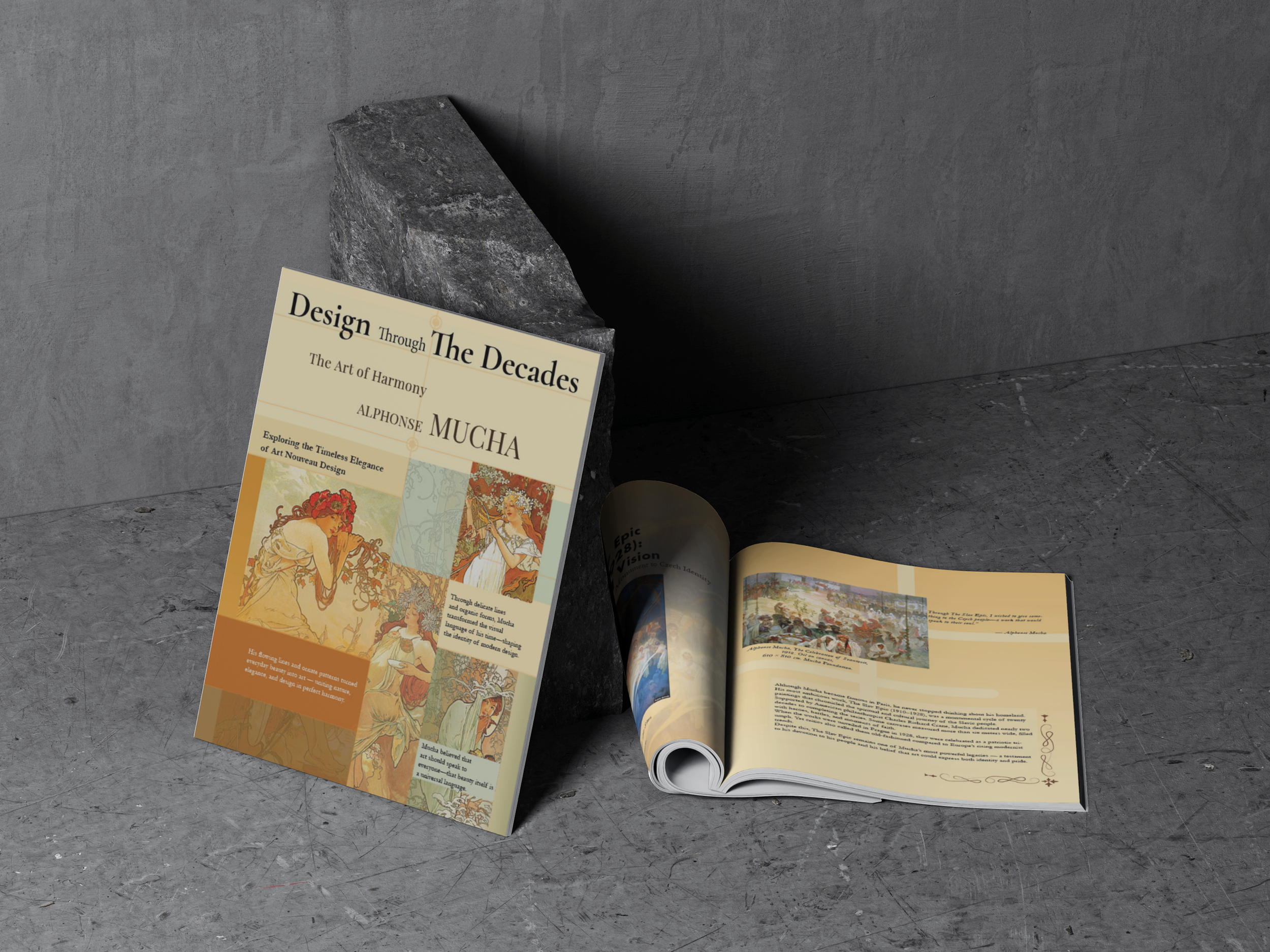
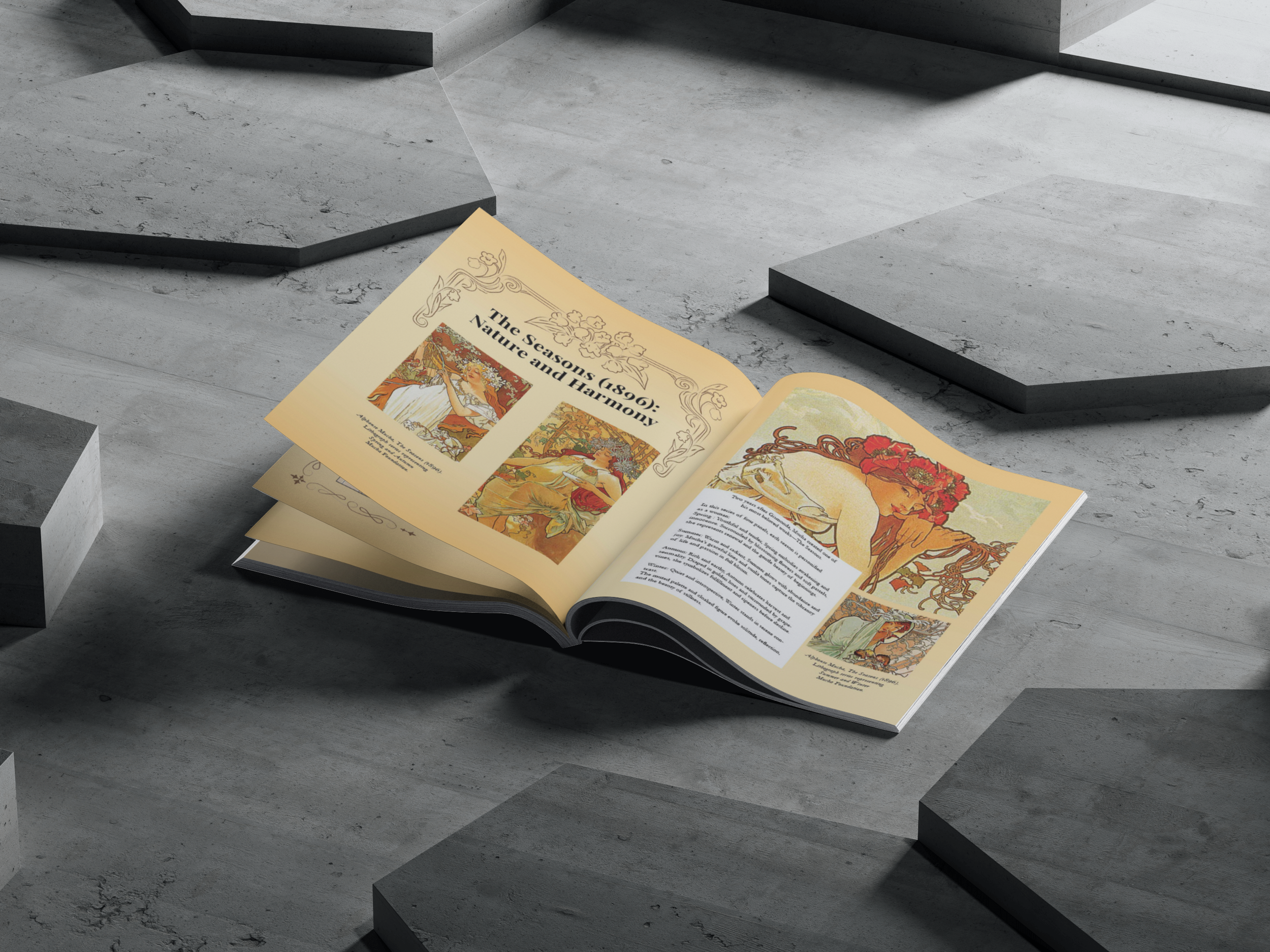
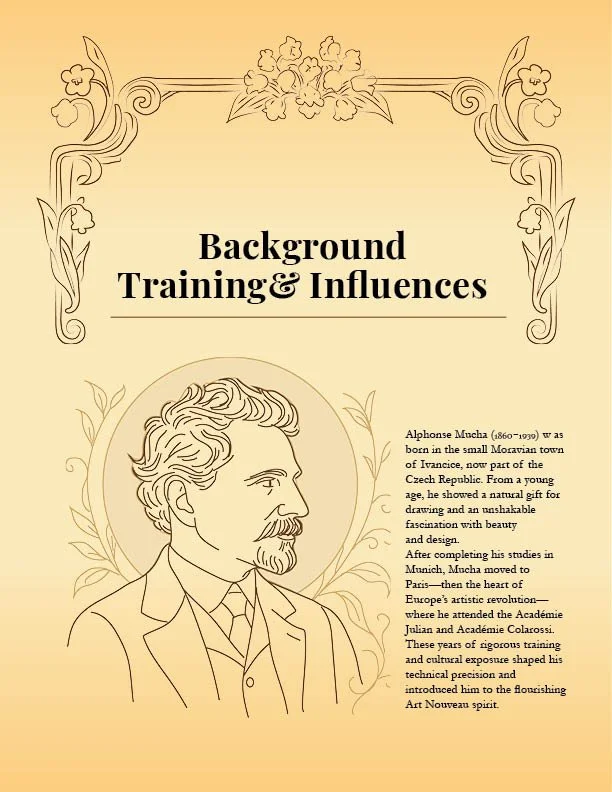
This project explores how editorial design can communicate visual history through layout, typography, and narrative flow. I created a magazine that examines the aesthetic and cultural impact of Alphonse Mucha and the Art Nouveau movement, translating historical research into a contemporary visual format.

Problem Statement
The challenge of this project was to translate a historical art movement into a modern editorial format that is visually engaging, culturally informative, and easy to read. The goal was to design a magazine that communicates the essence of Art Nouveau—its aesthetics, influences, and legacy—through intentional typography, composition, and visual hierarchy.
Visual System
Typography
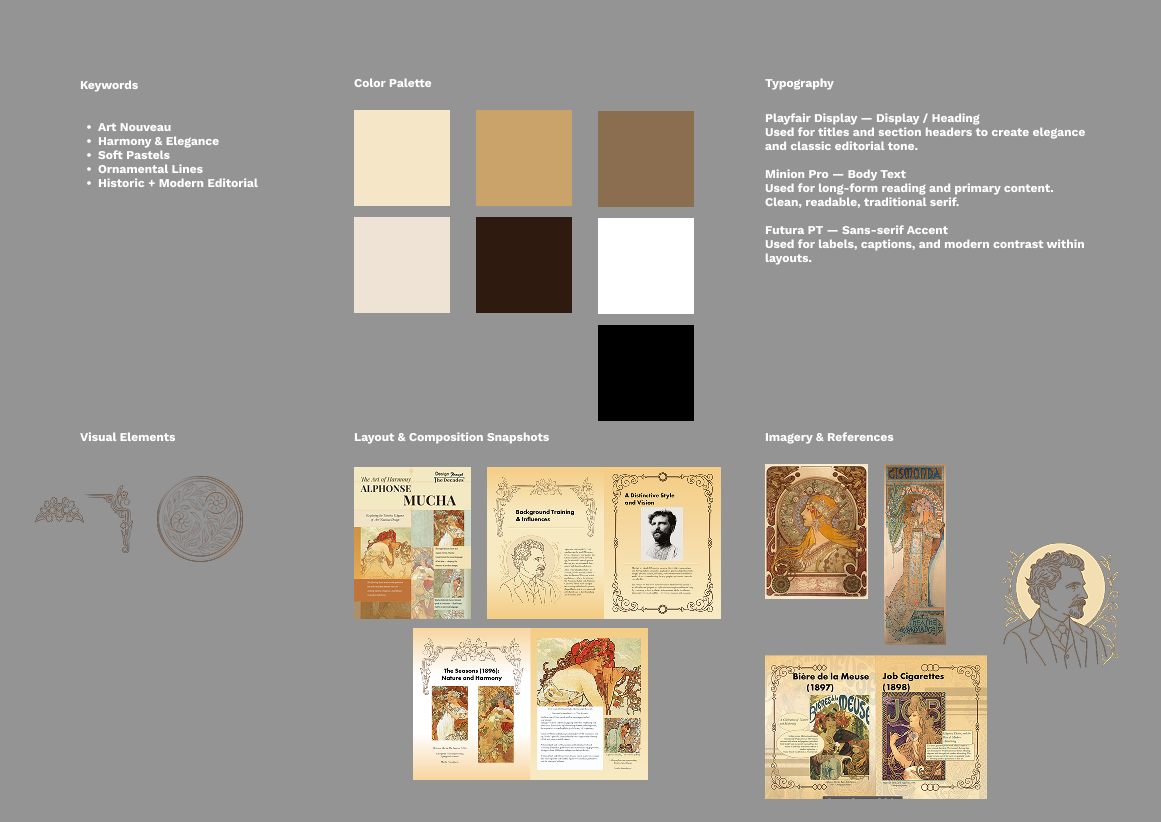
I developed a type hierarchy inspired by the softness and elegance of Art Nouveau:
Serif display font for headers (echoing ornamental curves)
Clean sans-serif for body text to maintain clarity and readability
Large pull quotes to reinforce narrative rhythm
This combination allowed the magazine to feel classic yet contemporary.
Color Palette
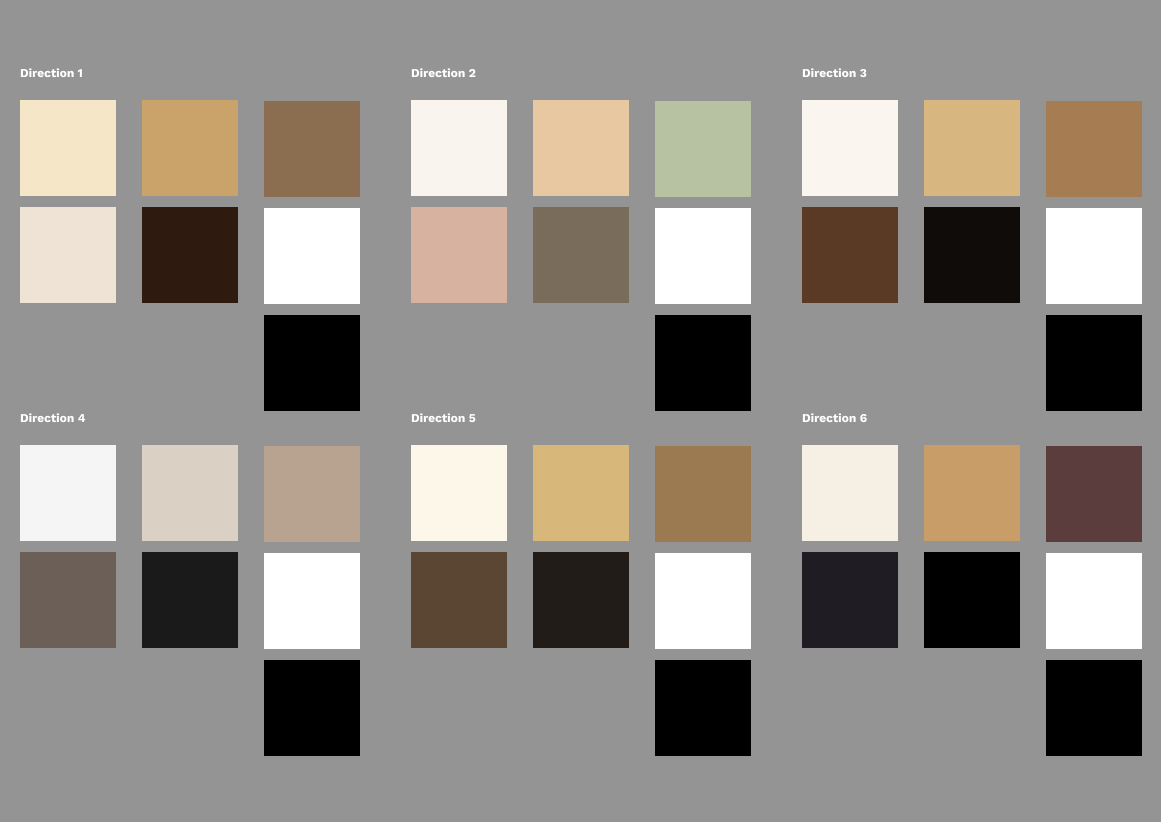
Soft pastels and warm neutrals were selected to reflect Mucha’s poster tones.
The palette supports emotional storytelling without overpowering the layouts.
Grid & Composition
I used a multi-column grid to:
create flexible layouts for long-form text, images, and captions
maintain alignment and structure
support harmonious spacing—a core principle in Art Nouveau design
Consistent margins, rhythm, and compositions help guide the reader through the visual story.
Research Summary
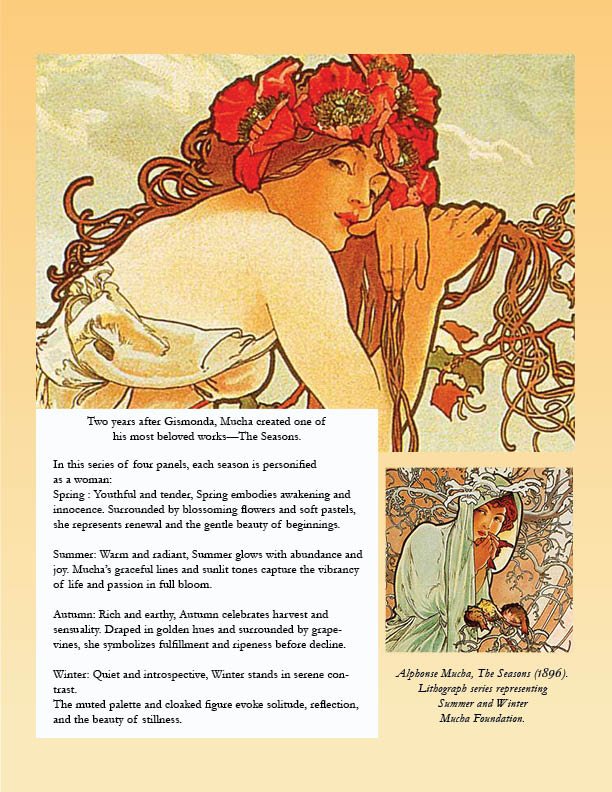
My research focused on understanding the visual language of Art Nouveau through the work of Alphonse Mucha. I studied his artistic background, key influences, and signature elements—such as flowing organic lines, decorative motifs, symbolic female figures, and soft color palettes.
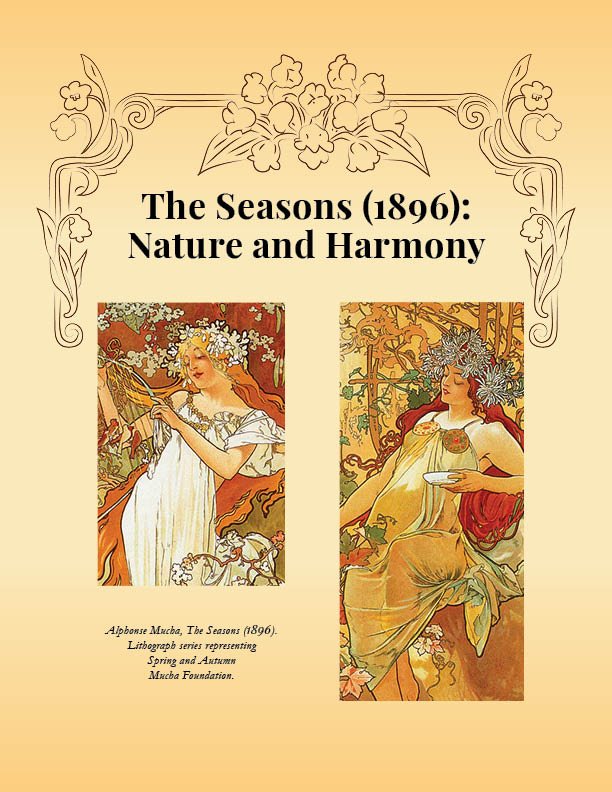
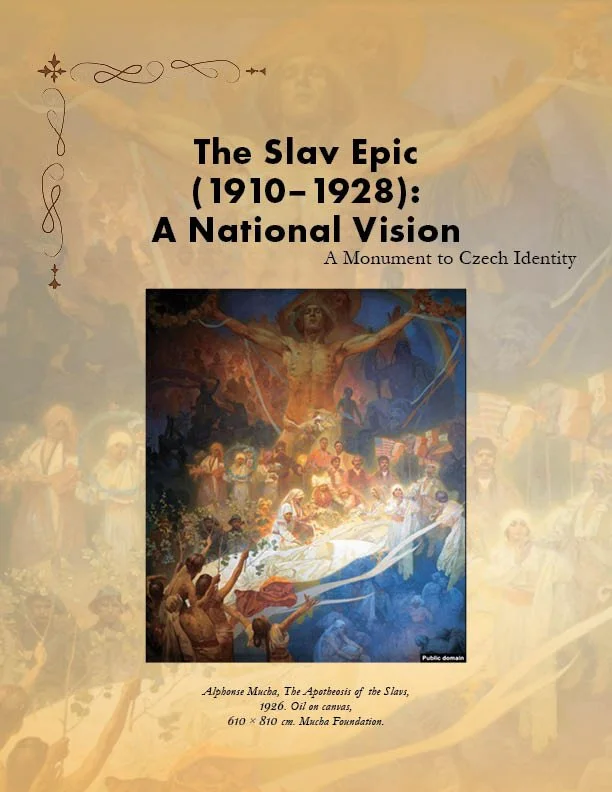
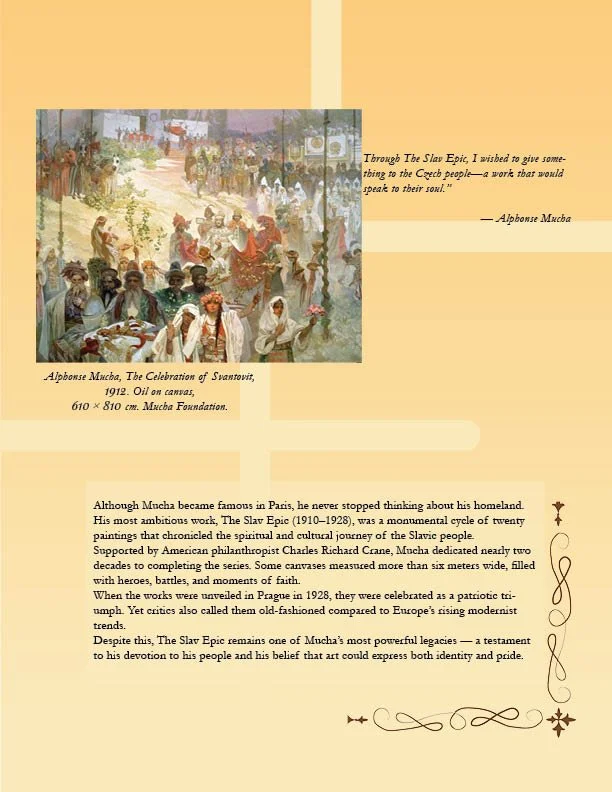
I analyzed two major works, Gismonda (1894) and The Seasons (1896), to understand how Mucha combined composition, ornamentation, and storytelling to create emotionally expressive visuals. I also explored The Slav Epic to gain insight into his belief that art should carry cultural and moral meaning.
Finally, I examined how Mucha’s style influenced later movements, including 1960s psychedelic posters and contemporary digital artists like Laura H. Rubin.
These insights guided my approach to layout, hierarchy, and imagery—allowing the magazine design to reflect the harmony, elegance, and ornamental richness that define the Art Nouveau aesthetic.
Design Approach
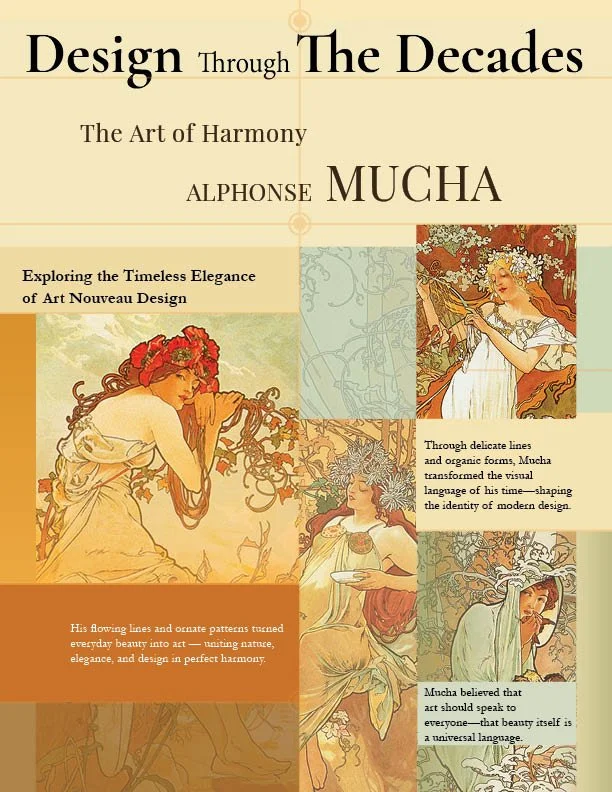
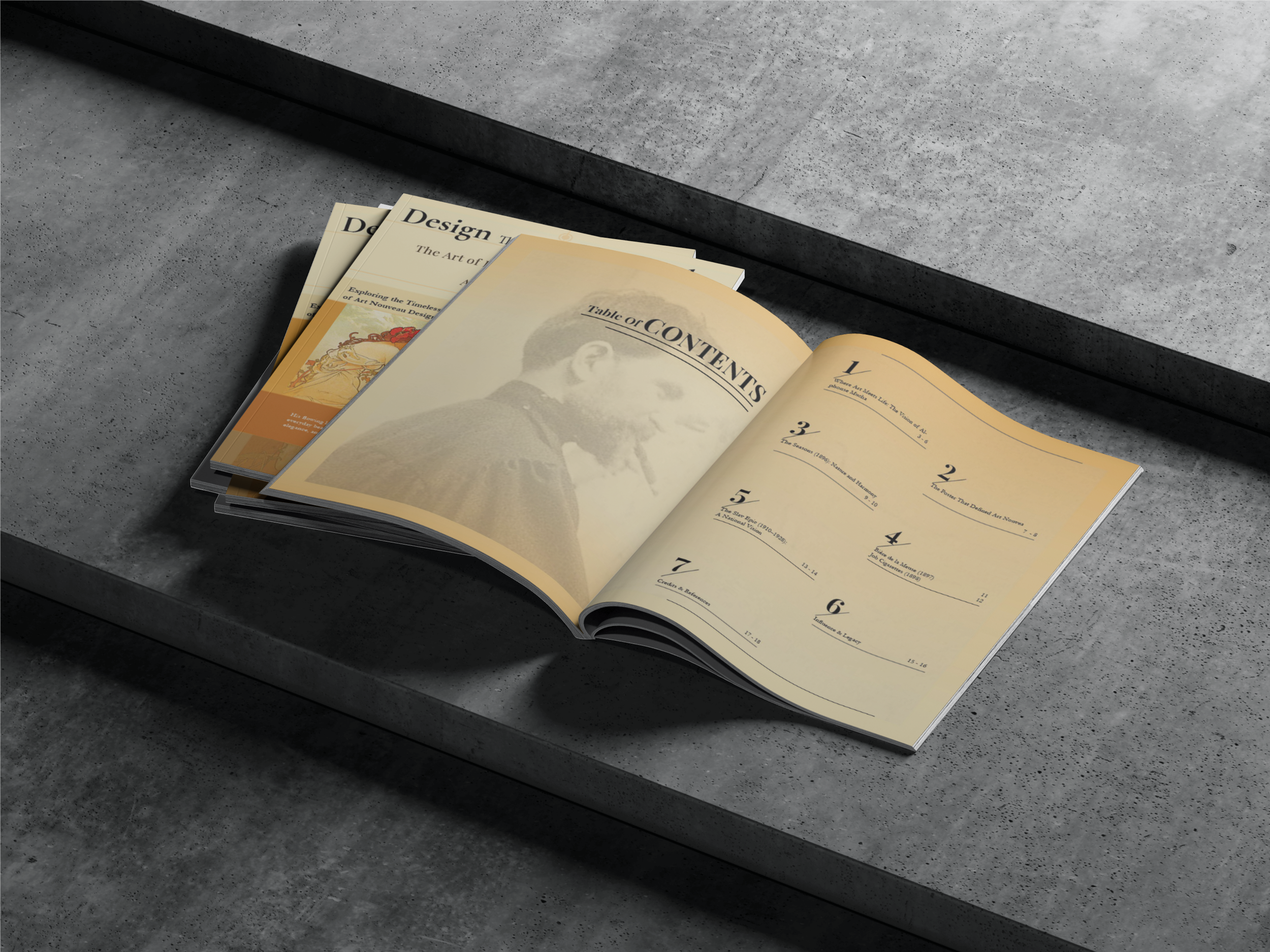
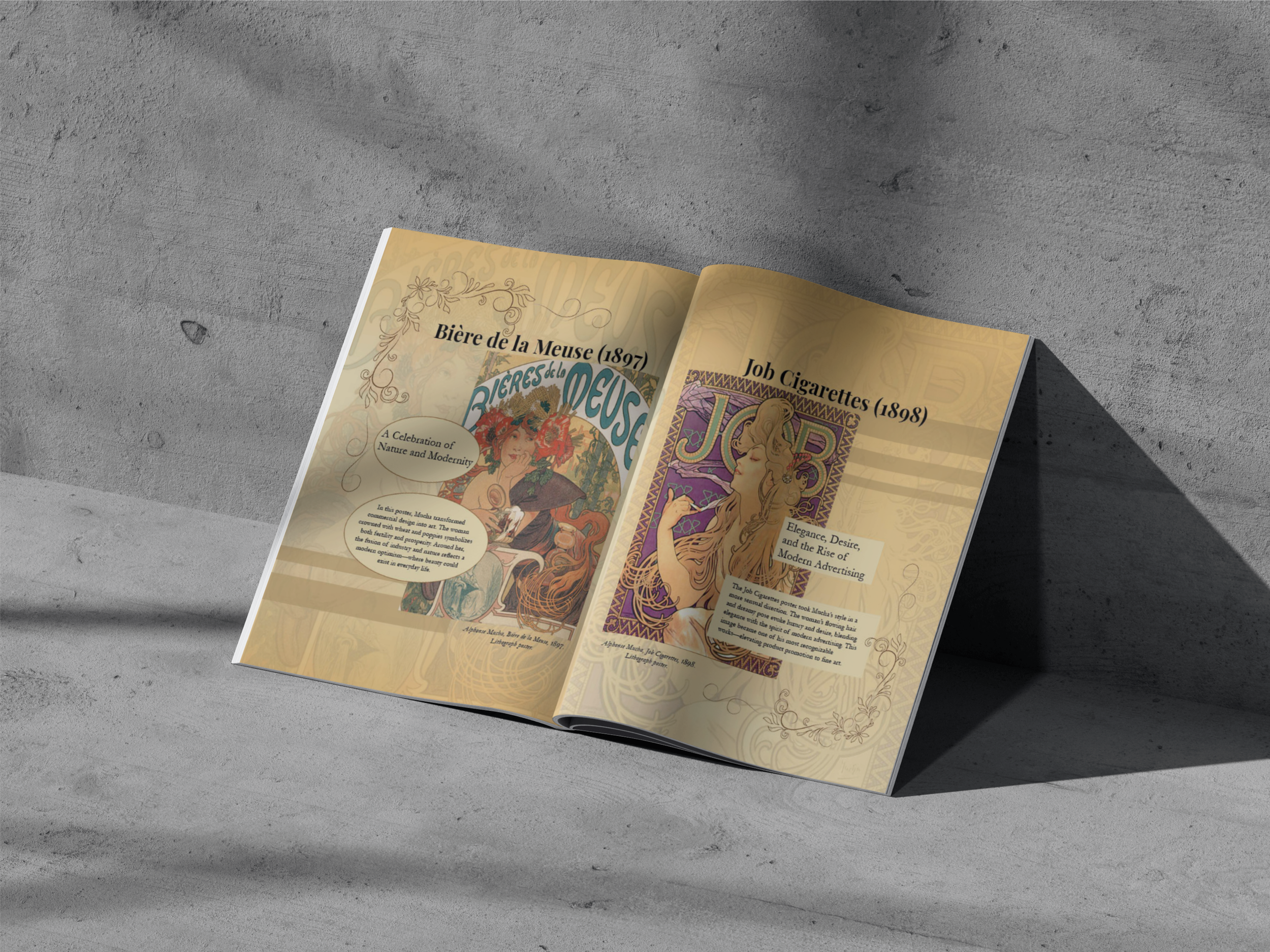
My design approach focused on translating historical visual principles into a modern editorial format. I structured the magazine to balance storytelling and aesthetics, using consistent visual rhythm, intentional white space, and clear reading flow. Each spread was designed to highlight both imagery and narrative without overwhelming the viewer.
I also prioritized a modular layout system that allows content sections—such as biography, landmark works, and legacy—to feel unified yet distinct. This ensured the magazine reads as a cohesive visual journey rather than separate informational pages.
Typography samples
Mockup
Reflection
This project strengthened my understanding of how research, visual storytelling, and layout design work together to communicate a narrative. I learned how to translate historical aesthetics into a modern publication format while maintaining clarity and hierarchy. It also improved my editorial design skills, especially in type selection, grid systems, and multi-page composition.
Overall, the project helped me build a more intentional and structured design workflow, and it reinforced my interest in combining visual design with cultural storytelling.